Why did Picasso keep 61 Japanese prints he said did not interest him?

Picasso said more than once that Japanese art did not interest him. His own collection says otherwise. When he died he owned 61 Japanese woodblock prints, many of them shunga, the erotic prints of the Edo period, and he never parted with a single one. Some hung on the walls of his house at Mougins in the south of France.
Most of them came from the estate of the French diplomat Philippe Berthelot, who died in 1934. The names are among the best-known in Japanese printmaking: Nishikawa Sukenobu, Isoda Koryūsai, Torii Kiyonaga, Katsukawa Shunchō, Kitagawa Utamaro and Kikukawa Eizan.
The prints
Five of the artists in Picasso's collection, one print each. These are museum examples of their work, not the sheets Picasso owned.
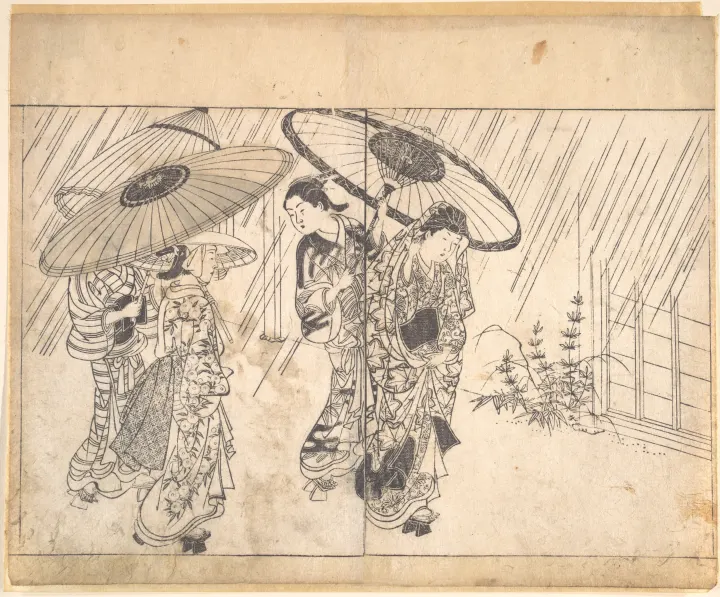
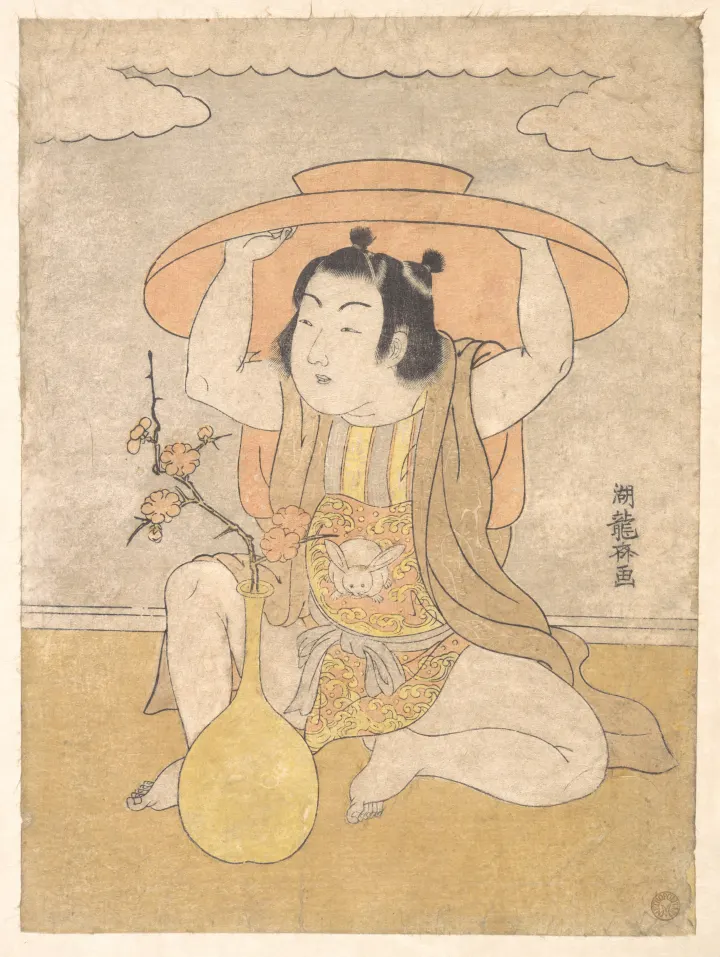
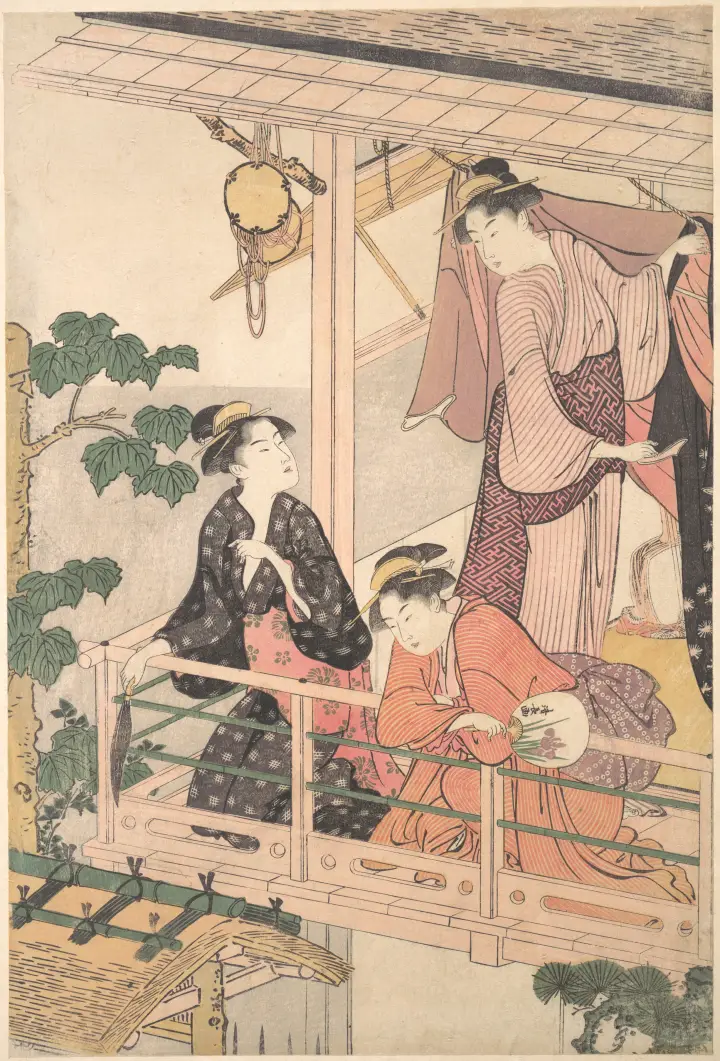
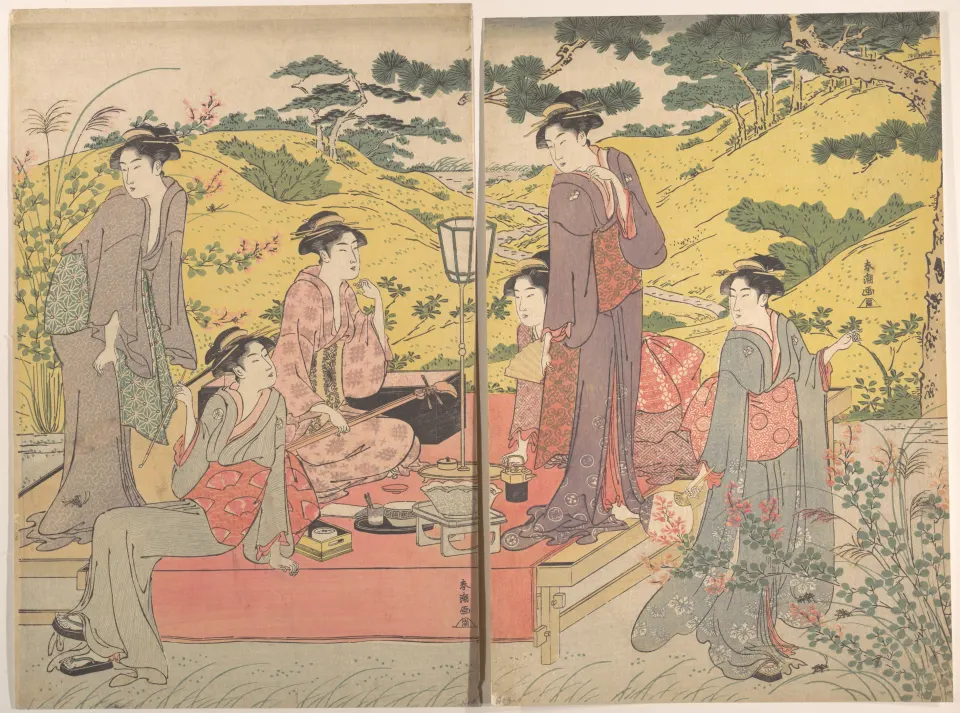
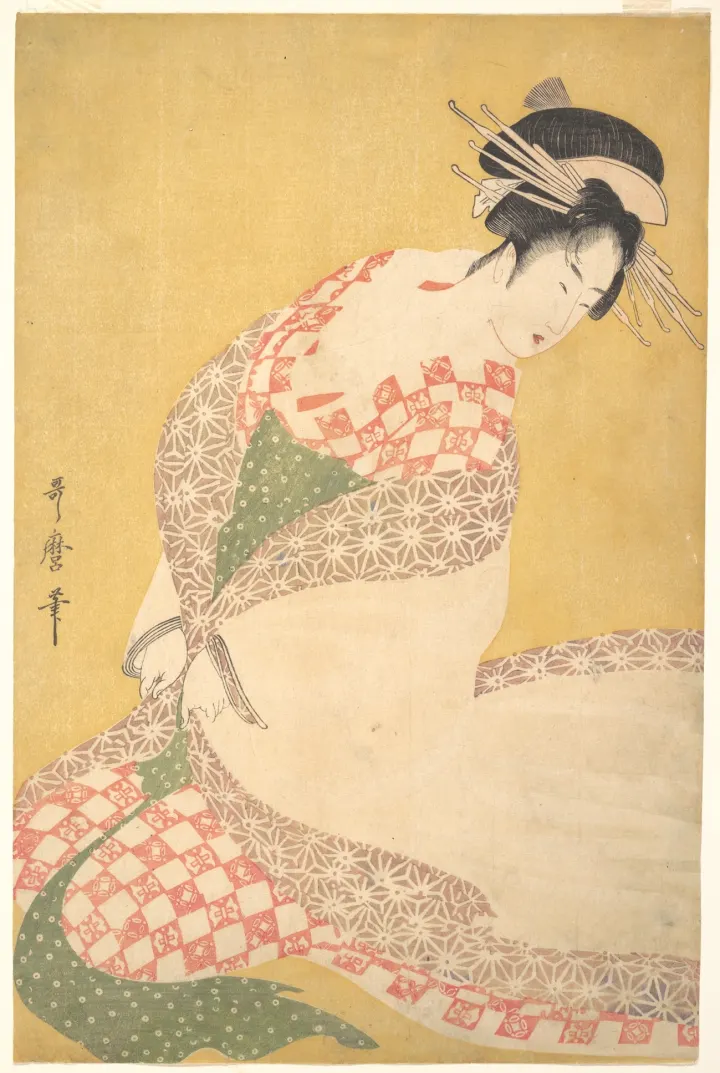
The interest started long before that. In 1903 the young Picasso made a private drawing after Hokusai's famous print of a woman diver and an octopus, from the 1814 book Kinoe no Komatsu. Rodin and Félicien Rops made their own versions of the same image. And photographs of his Paris studio on the Boulevard de Clichy, dated to about 1911 from the unfinished paintings in them, show a print by Kikukawa Eizan on the wall.
In 2009 the Museu Picasso in Barcelona put about twenty of his Japanese prints on public view for the first time, next to Picasso's own erotic etchings. The curators, Ricard Bru and Malén Gual, found the closest links in two periods: his early years (1900 to 1908) and his last years (1964 to 1972), with shared poses, compositions, themes and techniques. The show, Secret Images, won the Catalan art critics' prize for historical research exhibitions.
The picture is by Kikukawa Eizan, one of the artists in Picasso's collection: the courtesan Aimi of the Maru Ebiya house, with two young attendants.
Sources: museupicassobcn.cat/en/whats-on/exhibition/secret-images-picasso-and-japanese-erotic-prints, museupicassobcn.cat/en/whats-on/news/revealing-secrets, museupicassobcn.cat/en/whats-on/news/unseen-work-involved-putting-exhibition, Wikipedia, commons.wikimedia.org


